Potting Material Failure
密封陶瓷失效
Potting materialis the urethane component that is poured into the filter frame during filterassembly; the filter media is then placed into the potting material to create aleak free bond between the paper element and the filter frame.
密封材料是在過濾器組裝過程中注入過濾框架的聚氨酯成分;然后將過濾介質(zhì)放入密封材料中�����,在紙元件和濾芯框架之間形成無泄漏粘結(jié)����。
A case studyinvolved occasions when leaks were found at this bond only a few months afternew filters were installed and initially passed a leakage test. It wasdetermined the manufacture of the potting material supplied to the filterassembler/manufacture had changed their formulation. The new formulation hadinsufficient quality control before it was released for use. The inferiorpotting material over time would shrink, eventually pulling on the filter elementand breaking the bond and seal.
有案例顯示在安裝新過濾器并通過泄漏測試僅幾個月后��,在過濾器的密封膠處發(fā)現(xiàn)了泄漏����。最后發(fā)現(xiàn)過濾器組裝商/制造商的密封材料供應商的制造改變了配方����。新配方在放行使用前質(zhì)量控制不足�����。隨著時間的推移��,劣質(zhì)的密封材料會收縮��,最終拉動過濾元件��,破壞粘合和密封��。
When selecting afilter manufacturer, it is prudent to inquire about their quality controlmeasures and those applied to their material suppliers. It is also imperativethat the purchase agreement includes a requirement that if at any time thefilter manufacturer suspects a possible universal problem, all end-users of theimpacted filters be notified.
在選擇過濾器制造商時��,謹慎詢問其質(zhì)量控制措施及其對物料供應商的控制措施����。此外,采購協(xié)議還必須包括一項要求����,即任何時候一旦過濾器制造商懷疑可能出現(xiàn)質(zhì)量問題,應通知受影響過濾器的所有最終用戶。
Insufficient Amount of Gel in the Filter Track
過濾器凹槽凝膠量不足
There have beensome cases observed in which the HEPA/ULPA filters are delivered from thefactory with an insufficient amount of gel in the track such that the knifeedge does not penetrate the gel sufficiently, resulting in air bypass leakage.
在一些情況下��,從工廠交付的HEPA/ULPA過濾器��,其凹槽中的凝膠量不足�����,因此刀刃不能充分插入凝膠��,導致空氣旁路泄漏����。
Loss of Gel Adhesion
凝膠粘附性喪失
Loss of geladhesion is not a common failure mode. Adhesion between the gel and othersurfaces may becompromised if the surface incontact with the gel is contaminated with foreign substances or oils. Off-ratiomixing of the gel, or other manufacturing errors or defects with the gel itself,can lead to surface blooming and exudation of unbound components that caninterfere with the surface tack (stickiness) of the gel.
凝膠粘附力喪失不是常見的失效模式。如果凝膠接觸的表面受到異物或油的污染�����,凝膠與其他表面之間的粘附可能會受到影響�����。凝膠混合比例��,或凝膠本身的其他生產(chǎn)錯誤或缺陷����,可能導致表面溢出和滲出的未結(jié)合的成分,可能會干擾凝膠的表面粘附(粘性)����。
Knife Edge Alignment
刀刃插入程度
The idealposition for the installed filter is with the knife edge at the center of thegel track. In some cases, the knife edge contacts the metal edge of the geltrack; this may result in air bypass (a seal leak) in the immediate area. Spacersor guides may be used to position the filter properly.
已安裝的過濾器的理想位置是刀刃剛好插入凝膠凹槽的中間。在某些情況下����,刀刃接觸凝膠凹槽的金屬邊緣——這可能導致附近區(qū)域的空氣旁路(密封泄漏)?�?梢允褂脡|片或?qū)к壱哉_安裝過濾器�����。
Degradation of Filter Gel Performance
過濾器凝膠性能退化
There have beenobservations in pharmaceutical applications in which the filter gel materialsappeared to have degraded into a flowable, viscous material rather than a firmgel. This behavior has been studied extensively in the industry and is theresult of several factors that contribute to this failure mode. This failure isprimarily due to thediffusion of unbounded gelcomponents migrating to the surface of the gel. Therefore this migration is adegradation of gel performance; technically it is not a degradation of thebonded gel polymer since the polymer bonds are not broken. The filtermanufacturers have each developed their own gel systems to reduce the risk ofthis mode of gel performance degradation, and it is advised to work with thefilter vendor to understand the appropriate gel system and filter design forthe specific application.
在制藥應用中��,有觀察結(jié)果顯示�����,過濾器凝膠材料會降解為可流動��、粘稠的材料��,而不是一種的固體凝膠。這種行為在業(yè)界得到了廣泛的研究����,是導致這種失敗模式的幾個因素的結(jié)果。這種失敗主要是由于不受控的凝膠成分擴散到凝膠表面��。因此�����,這種遷移是凝膠性能的退化�����;從技術(shù)上講�����,它不是粘結(jié)凝膠聚合物的降解����,因為聚合物鍵沒有斷裂。過濾器制造商都開發(fā)了自己的凝膠系統(tǒng)����,以降低這種凝膠性能下降模式的風險,建議與過濾器供應商合作��,了解適合特定應用的凝膠系統(tǒng)和過濾器設(shè)計����。
It should also be noted that when gel materials in pharmaceuticalapplications are observed to lose or change color, this does not necessarilyequate to degradation in gel performance. Cleaning and sanitizing chemicalsoften used in pharmaceutical cleanrooms can discolor the gel by bleaching thecoloring agent in the gel, but do not usually break the bonded silicone polymers.
還應該注意的是,當制藥應用中的凝膠材料被觀察到失去或改變顏色時����,并不一定等同于凝膠性能的降低。制藥潔凈室中常用的清潔和消毒化學品可以通過漂白凝膠中的著色劑使凝膠變色�����,但通常不會破壞粘合的硅膠聚合物�����。
Even though gel systems mightappear on first observation to be similar to one another, they can have otherproperties which make them very different when subjected to operatingconditions in the pharmaceutical industry. However, all gel systems need tomeet the required physical properties to perform the task of sealing the filterframe to the filter housing, such as adhesion and stiffness to allow the correctknife edge penetration and sealing.
盡管凝膠系統(tǒng)乍一看可能彼此相似�����,但在制藥行業(yè)的操作條件下�����,它們可能有其他特性使它們非常不同。然而�����,所有凝膠系統(tǒng)都需要滿足所需的物理性能�����,以執(zhí)行密封過濾器框架到過濾器外殼的任務��,如粘附力和剛度����,以允許正確的刀口滲透和密封。
Identified factors that contribute to this modeof degradation of gel performance include the following:
導致這種凝膠性能退化的因素包括:
The amountof cross-linked (bonded) gel material should be optimized since it isdesirable to minimize the amount of polymer that is unbounded. This needs to bebalanced with the mechanical properties required for the gel to properly sealthe filter. Controlling the ratio of the components and the mixing operationduring manufacturing is critical to a properly cross-linked gel.
交聯(lián)(鍵合)凝膠材料的數(shù)量應足夠�����,以減少無鍵合聚合物的數(shù)量��。這需要與凝膠適當密封過濾器所需的機械性能相平衡�����。在生產(chǎn)過程中����,控制成分的比例和混合操作對正確的交聯(lián)凝膠至關(guān)重要。
The molecularweight of the gel system is important. A higher molecular weight gel systemcomponent reduces the diffusion of unbounded polymer. A narrow distribution ofmolecular weight is most desired. This needs to also be balanced withproperties such as viscosity of starting components and final surface tack ofcured gel.
凝膠系統(tǒng)的分子量很重要�����。更高分子量的凝膠體系組分減少了無粘結(jié)聚合物的擴散�����。最需要的是分子量的窄分布����。這還需要與諸如起始成分的粘度和固化凝膠的最終表面黏度等性能進行平衡。
As much as possible, minimize exposure of the gel to PAO and other nonvolatile oil-basedtest aerosols as excessive PAO may accelerate the rate of unbounded polymerdiffusion by swelling the gel and increasing free volume. Although the liquidtest aerosol will not break apart bonded polymer material, it does act as asolvent to increase the migration of unbounded polymer components. Testing atlow aerosol concentrations, good aerosol distribution, minimizing the amount oftime that the filter is subjected to the aerosol challenge, and alternativetest methods are steps that can be taken.
盡可能減少凝膠暴露于PAO和其他非揮發(fā)性油基測試氣溶膠中����,因為過量的PAO可能會使凝膠膨脹并增加自由體積來加速無黏結(jié)聚合物的擴散速度。雖然液體測試氣溶膠不會分解粘結(jié)的聚合物材料�����,但它作為一種溶劑����,增加了未粘結(jié)聚合物組分的遷移�����。建議在較低的氣溶膠濃度����、良好的氣溶膠分布��、盡量減少過濾器受氣溶膠影響的時間以及其他測試方法下進行測試�����。
The gel components need to be manufactured andmixed under a rigid quality controlsystem. This needs to include strict control of the manufacturing andmixing environments, testing of all relevant chemical and physical propertiesof every batch of gel material including limiting any impurities.
凝膠成分需要在嚴格的質(zhì)量控制體系下生產(chǎn)和混合�����。這需要包括對生產(chǎn)和混合環(huán)境的嚴格控制��,對每批凝膠材料的所有相關(guān)化學和物理特性的測試�����,包括任何雜質(zhì)限度��。
Miter jointintegrity of the frame is critical for filter performance. It needs to contain anygel failure from leaking into thecleanroom. Use the correct sealing compounds at the miter joints to preventleakage at the joints.
過濾器框架的完整性是至關(guān)重要的過濾器性能。這包括任何凝膠失效導致泄漏到潔凈室��。在框架處使用正確的密封化合物以防止泄漏����。
Silicone gels are moreresistant than urethane gels to oxidizing chemicals normally seen in thecleaning and sanitizing ofpharmaceutical cleanrooms, and thus are generally the preferred gel system.Oxidizing chemicals can attack the urethane gel and create a hardened surface.Semiconductor cleanrooms generally do not use these oxidizing chemicalsroutinely and urethane gels are common in those rooms. Silicone gels willgenerally not degrade in the presence of these oxidizing chemicals. However,there may be some specific applications, such as when acid or caustic chemicalsare present, that the silicone gels may be subject to hydrolysis (rather thanoxidation) and it may be possible that a urethane gel system might be apreferred system.
硅酮凝膠比聚氨酯凝膠更能抵抗通常在醫(yī)藥潔凈室的清潔和消毒中看到的化學物質(zhì)的氧化,因此通常首選硅酮凝膠系統(tǒng)�����。氧化性化學物質(zhì)會攻擊氨基甲酸乙酯凝膠��,造成表面硬化��。半導體無塵室一般不經(jīng)常使用這些氧化性化學物質(zhì)��,在這些房間里普遍使用聚氨酯凝膠�����。硅凝膠通常不會在這些氧化性化學物質(zhì)的存在下降解��。然而��,可能有一些特定的應用��,如當酸性或腐蝕性化學品存在時�����,硅凝膠可能會水解(而不是氧化)�����,此時����,氨基甲酸酯凝膠系統(tǒng)可能是首選體系。
Gaskets
墊片
Filters may be mated to installation structuresusing gaskets to form a reliable pressure boundary seal and to avoid air bypassof the filter element. A variety of gasket materials is available includingneoprene, polyurethane, silicone sponge, etc. Gaskets may be applied manuallywith brushed-on adhesive or pressure sensitive adhesive. Gasketsections should be joined by a flexible adhesive. Alternatively, liquidgasket material can be directly applied in a continuous length along the filterperimeter and allowed to expand into foam and cure in place forming aone-piece, continuous gasket.
過濾器可以使用墊片與安裝結(jié)構(gòu)配合��,以形成可靠的壓力邊界密封��,并避免過濾器元件的空氣旁路��?���?蛇x用氯丁橡膠、聚氨酯��、硅海綿等多種墊片材料�����。墊片可以手動涂上刷涂膠或壓敏膠。墊片部分應該用柔性粘合劑連接��?����;蛘?����,液體墊片材料可以直接沿著過濾器周長使用�����,并允許膨脹成泡沫并固化�����,形成一個整體的�����,連續(xù)的墊圈��。
Silicone Gel
硅凝膠
Silicone gel has been used toseal filters successfully for many years. It exhibits good qualities, servicelife, and resistance to oxidation. Care needs to be taken when selectingsilicone gels to anticipate the environment to which they will be exposed. Siliconegel should not be used where frequent or prolonged exposure to acids or basesis reasonably anticipated. Silicone gels are generally more resistant tooxidizing chemicals used for cleaning and sanitizing pharmaceutical cleanrooms(such as bleach, sterilant, phenolic cleaner/disinfectant) than are urethanegels.
硅膠已被成功地用于密封過濾器多年��。它具有良好的質(zhì)量�����、使用壽命和抗氧化性�����。在選擇硅酮凝膠時����,需要謹慎對待,以適應它們將暴露的環(huán)境����。硅凝膠不應該使用在預計經(jīng)常或長時間接觸酸或堿的地方��。硅酮凝膠通常比聚氨酯凝膠更能抵抗用于醫(yī)藥潔凈室清潔和消毒的氧化化學物質(zhì)(如漂白劑����、滅菌劑、酚醛清潔劑/消毒劑)����。
Urethane Gel
聚氨酯凝膠
Polyurethane gel materialsare commercially available and often used when low outgassing properties arerequired (such as in semiconductor cleanrooms), where silicone cannot betolerated, or where the use of silicone gel is known to be a problem. Polyurethanegel has proven to be a good alternative to silicone gel in some applications.Polyurethane gel does exhibit the formation of a thin surface skin over timeand may undergo surface oxidation or limited shallow stress crack formation (asit is exposed to PAO); however, these aging effects have been shown to notcompromise sealing of the filter over time. Aging of the gel may be acceleratedif the gel is exposed to high doses of vapors from oxidative cleaning agents.Urethane gels in general tend to be more resistant to degradation in applicationsin which acid or bases are present than are silicone gels. Filters with gelolder than about five years, or that show signs of gel aging, should bereplaced and not reinstalled if removed from the system.
聚氨酯凝膠材料可以從市場上買到����,通常用于需要低排氣性能的場合(如半導體無塵室)��,不能容忍硅膠�����,或使用硅凝膠存在問題�����。在一些應用中����,聚氨酯凝膠已被證明是硅凝膠的良好替代品����。隨著時間的推移,聚氨酯凝膠確實會形成一個薄的表皮��,可能會發(fā)生表面氧化或形成有限的淺應力裂紋(因暴露于PAO中);然而�����,這些老化效應已被證明不會隨著時間的推移損害過濾器的密封。如果凝膠暴露在高劑量的氧化清潔劑蒸汽中�����,凝膠的老化可能會加速����。
In summary, in order tominimize the risk of gel degradation in pharmaceutical applications, it isgenerally advised to select a silicone gel system with the followingcharacteristics:
綜上所述,為了最大限度地降低凝膠在制藥應用中的降解風險����,一般建議選擇具有以下特點的硅膠系統(tǒng):
High molecular weight
高分子量
Lower percentage of unbounded gel components
低百分比的無粘結(jié)凝膠成分
Manufactured and mixed under a rigid quality control system, withproperly designed miter joints in the frame
在嚴格的質(zhì)量控制系統(tǒng)下制造和混合,在框架中適當設(shè)計的人字接頭
Exposure to a minimum amount of PAO during filter testing
在過濾器測試期間使暴露的PAO量最低
There may be specificapplications in which urethane gels might be appropriate. It is advised to workwith the filter vendor to select the most appropriate gel for the specificapplication.
在特定的應用中��,聚氨酯凝膠可能是合適的��。建議與過濾器供應商合作����,為特定的應用選擇最合適的凝膠。
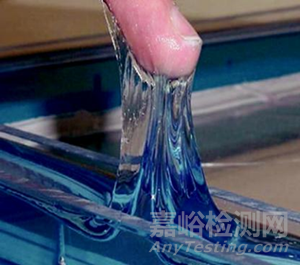
Figure 8.1 illustrates the superior adhesionproperties of a silicone gel.
圖8.1說明了硅膠優(yōu)越的粘附性能
Figure 8.1: Example of the Superior Adhesion Properties of a SiliconeGel
圖8.1:硅凝膠優(yōu)越的粘附性能示例
Photo credit: Ronald Roberts, Bayer U.S.
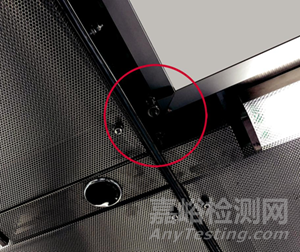
Figure 8.2 shows an example of the liquificationof filter gel.
圖8.2為過濾器凝膠液化的一個例子
Figure 8.2: Example of the Liquification of Filter Gel
圖8.2過濾器凝膠液化的例子
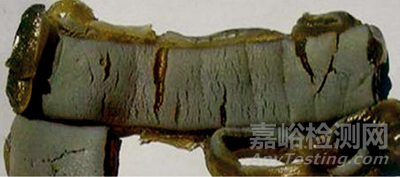
Figure 8.3 illustrates urethane gel developing to ughening and cracking on the surface.
圖8.3說明了聚氨酯凝膠增韌和開裂的表面�����。
Figure 8.3: Example of Urethane Gel Developing Toughening and Crackingon the Surface
圖8.3 聚氨酯凝膠表面增韌開裂實例
Photo credit: Ronald Roberts, Bayer U.S.

 京公網(wǎng)安備11010802046783號